
“We are no longer strangers”
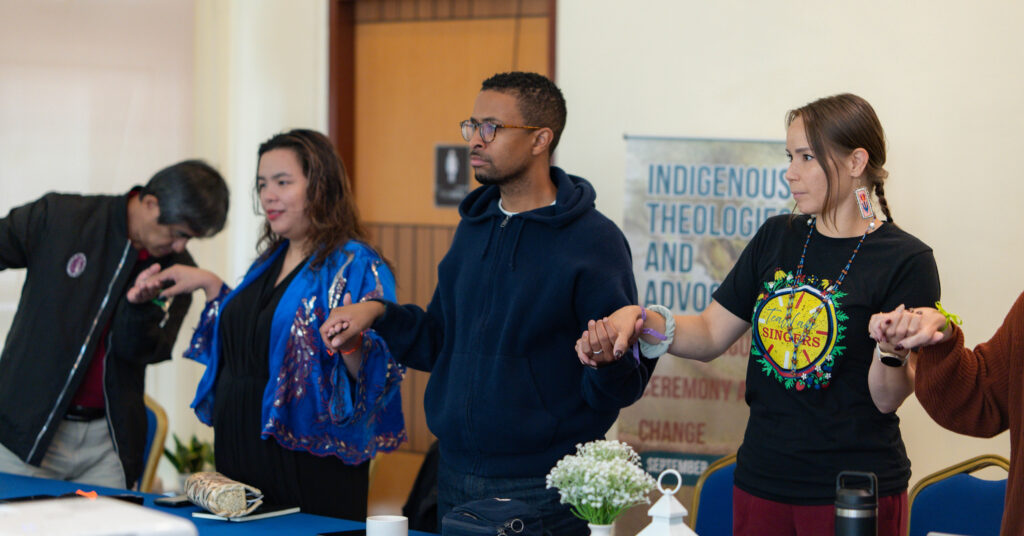
You may come from another country. You may have different customs and traditions. But through our Christian faith, we recognise one another as brothers and sisters. Through Christ, we are no longer strangers.
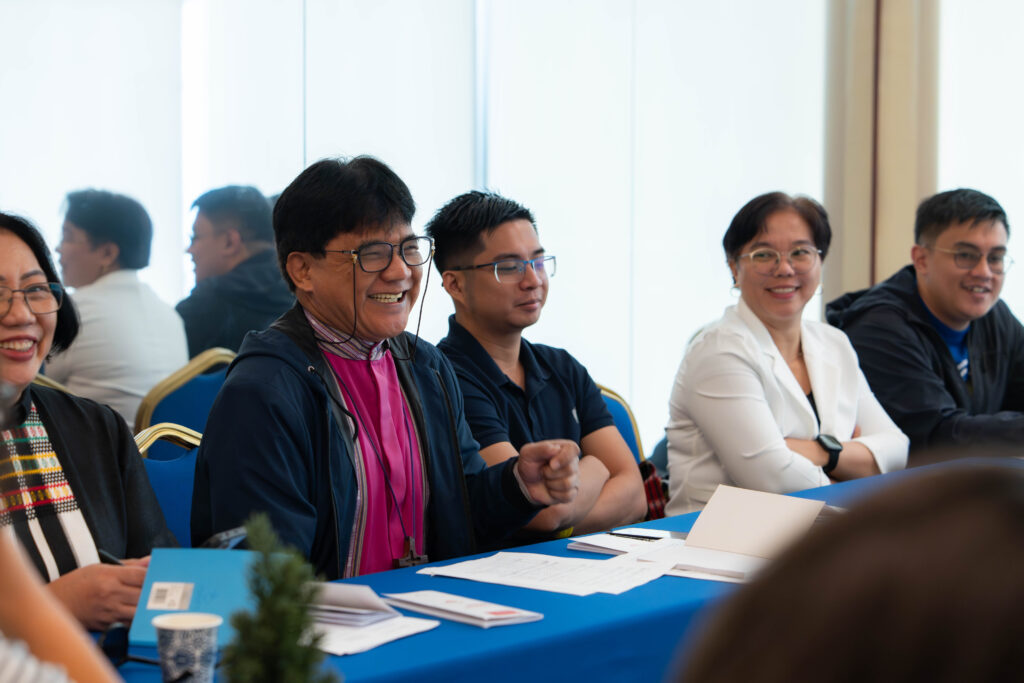
With these words, the Indigenous Theologies and Advocacy gathering opened in the Philippines. From 14-18 September, Indigenous theologians, elders, youth leaders, bishops, clergy, educators and advocates met together to consider how the Church might be transformed when Indigenous voices and wisdom are heard and valued. The group included clergy and leaders from across the Philippines, as well as representatives from the US, Canada, Kenya, Brazil, the UK and Australia.
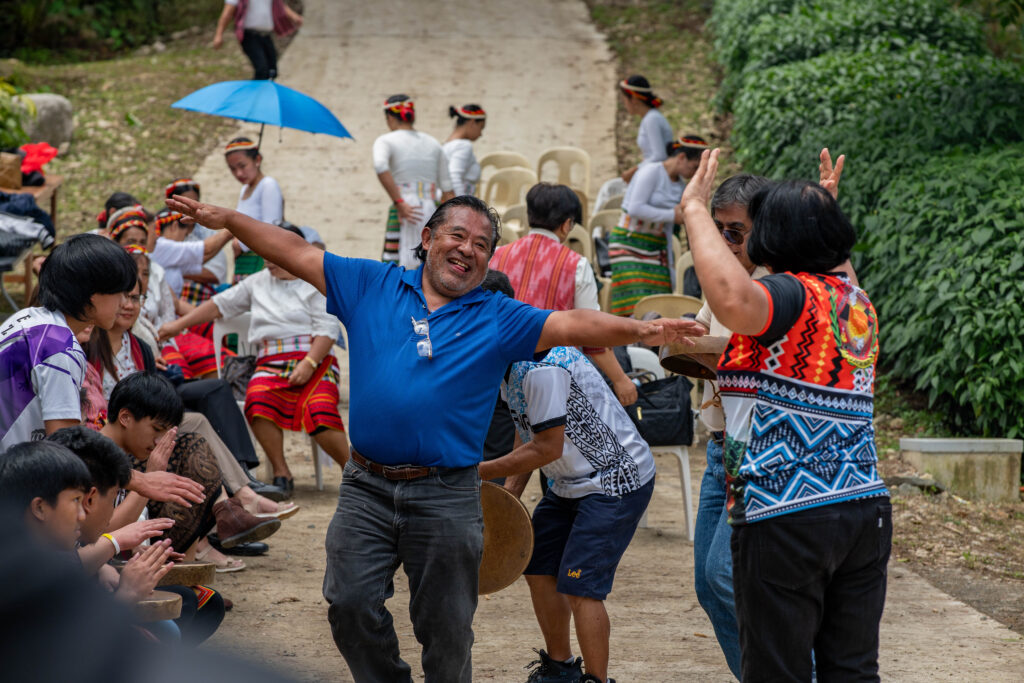
Rather than being a conference about Indigenous peoples, the gathering created space to listen to Indigenous perspectives and explore what they might teach and change within the life of the Church. This came alive particularly at Winaca Eco-Cultural Village in Benguet, where participants spent time with Cordilleran elders and experienced traditions of prayer, hospitality, music and dance.
Much of the week’s learning happened through conversation as participants brought their own honest experiences of Indigenous identity, colonial history, theology and advocacy. It was also an opportunity to ask hard questions and look forward to think about how the Church can learn from Indigenous theologies and proclaim Christ without repeating harmful colonial patterns.
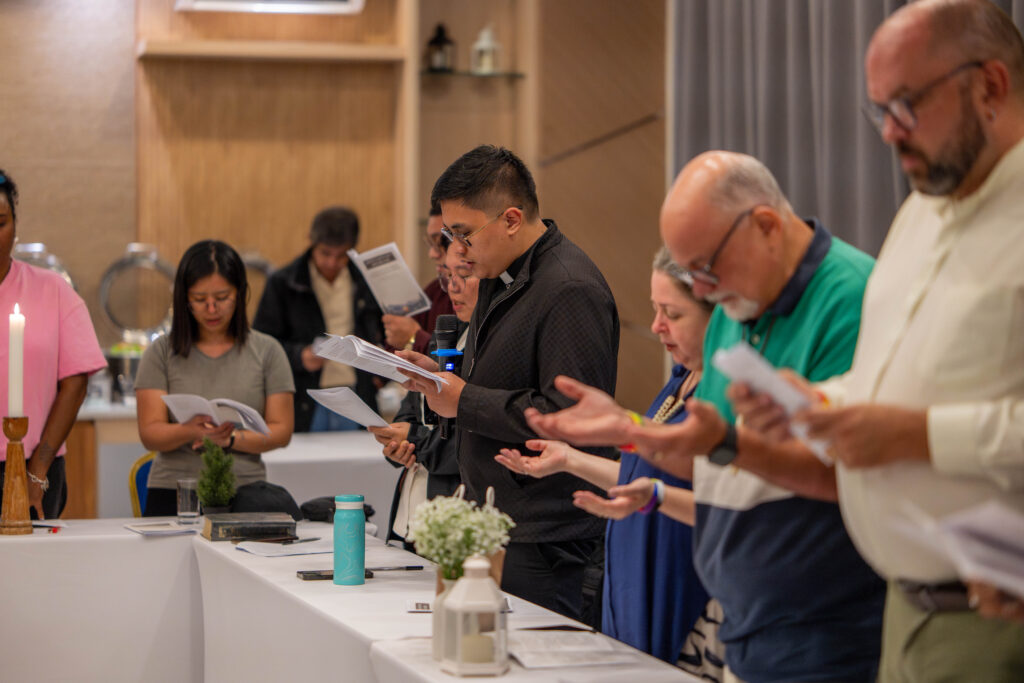
For The Revd Myrna Algona, a priest in the Diocese of North Central Philippines, the gathering was an opportunity to rediscover the importance of her own cultural heritage. She described it as an “eye opener”, helping her to see how culture could enrich theology, worship and liturgy, and potentially shape the way her diocese develops future liturgy.
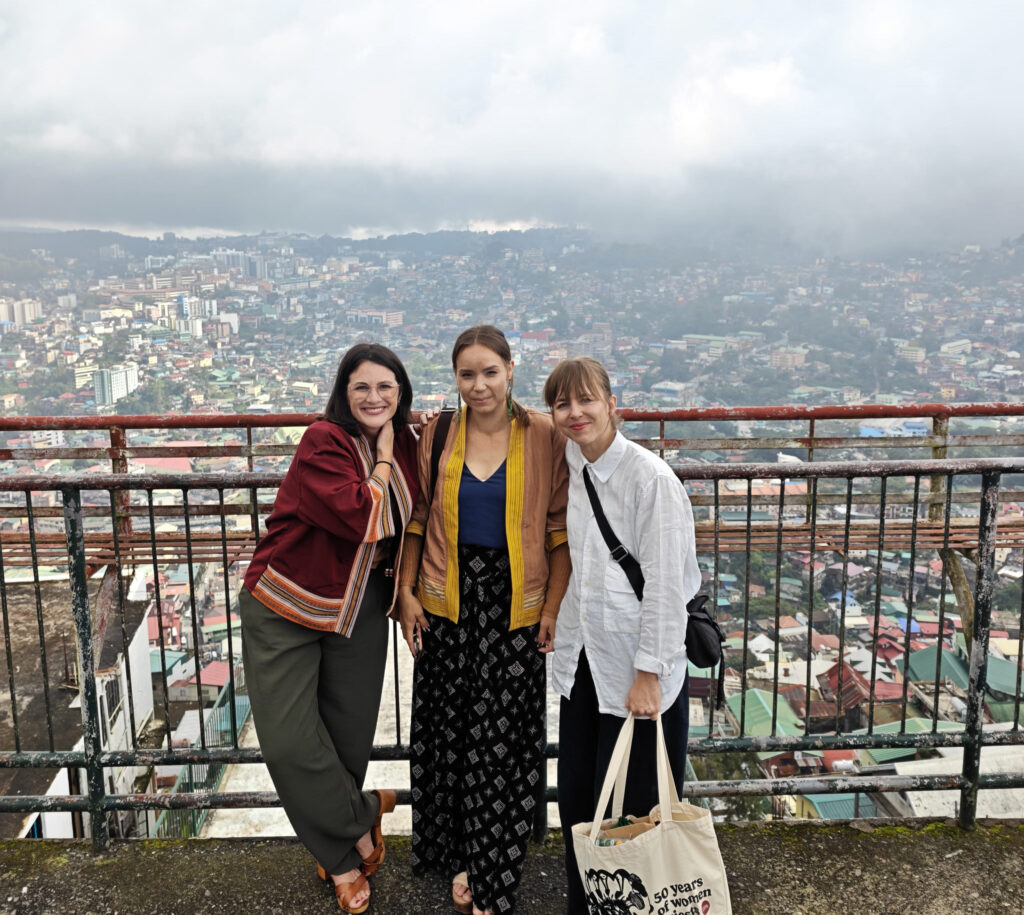
Similarly, Leora Tadgerson, a proud Finnish and Saami, is Director of Reparations and Justice for the Episcopal Diocese of Northern Michigan. She is also co-lead of the Episcopal Truth, Justice and Healing Commission on Native Boarding Schools and reflected on the importance of bringing Indigenous perspectives into conversations about repair:
Being here has been incredibly impactful for a tribal person, in the way that we finally have a space for [these] conversations. It’s been really helpful to unpack with so many different people from all parts of the world what those major policy reform items need to be.
This gathering builds on USPG’s wider work with partners across the Anglican Communion. Following the 2024 international colloquium in Brazil and the February 2026 consultation in Manila, the Philippines gathering provided another opportunity for relationships to deepen and for theological reflection to connect with advocacy and action.
As this work continues, we look forward to seeing how the relationships, learning and commitments formed through this gathering will shape theology, strengthen advocacy and help the Church walk more faithfully together.
USPG is deeply grateful to the Episcopal Church in the Philippines for hosting the gathering. We also give thanks to our partners in this work: the Anglican Alliance, Christian Aid and Episcopal Divinity School, whose collaboration helped make this gathering possible.