
Theology from the Ground / Teología desde la tierra: Anglicans meet in Guatemala

I seek to strip myself of what I learned… to scrape away the ink with which they painted my senses.
Alberto Caeiro
In March 2026, Anglican clergy, theologians and community leaders from Brazil, El Salvador, Costa Rica, Guatemala and Mexico met in Santiago Sacatepéquez, Guatemala for the ‘Decolonising Theologies and Biblical Interpretation for Social Transformation – Americas Gathering’. Convened with support from USPG and regional partners, the gathering asked a simple but urgent question: how does Scripture help us to respond to the real lives of people facing poverty, environmental damage and injustice?
A key theme running through the gathering was “decolonial theology”, which seeks to move beyond ways of understanding Christianity shaped by colonial history and Eurocentric thinking. It encourages the Church to recognise how power and culture shape whose voices are heard, and to recover ways of knowing God rooted in local contexts and lived experience.
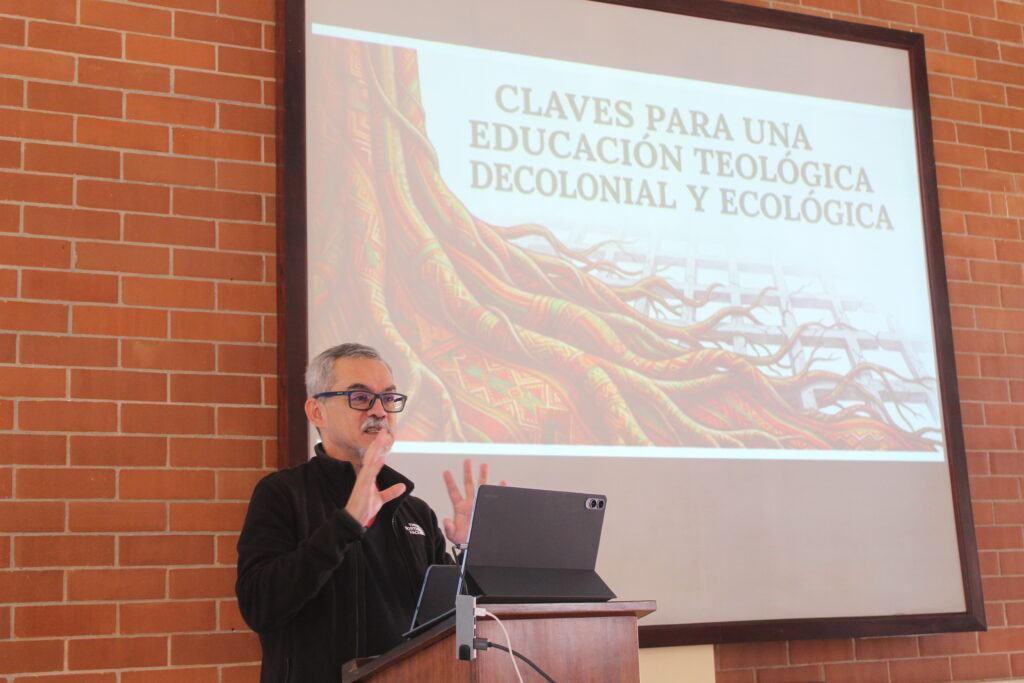
Dr Paulo Ueti, Regional Manager for Latin America & the Caribbean and Theological Advisor USPG, described this as “unlearning”. Drawing on Alberto Caeiro, a Portuguese poet, he spoke of “scraping away the colonial ink” to uncover a faith shaped by listening, experience and the wisdom of marginalised communities.
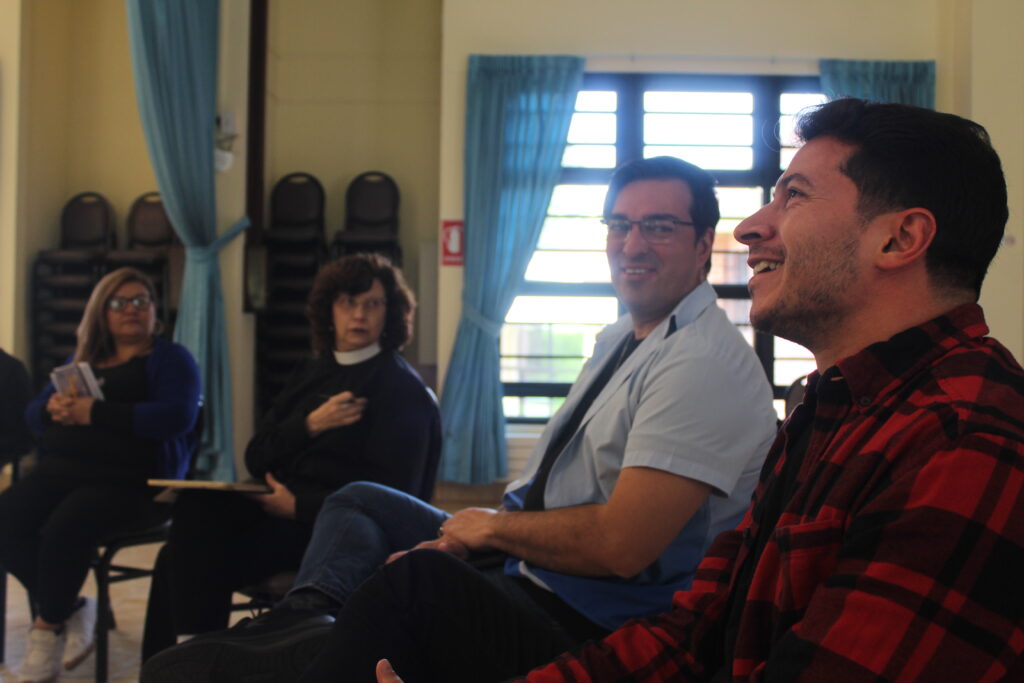
In Mexico City, The Revd Belina Carranza, serves as Dean of the San Andrés Seminary and leads a congregation in an urban context. She drew on her experience to speak about what she called a “social sin of invisibility”. Working closely with communities affected by poverty and violence, she described how people such as the homeless are often ignored.
To refuse to see is to annul the existence of the other,
she said. Her reflection helped explain another key idea. Sin is not only about individual actions. It can also be built into systems that harm people and keep injustice in place.
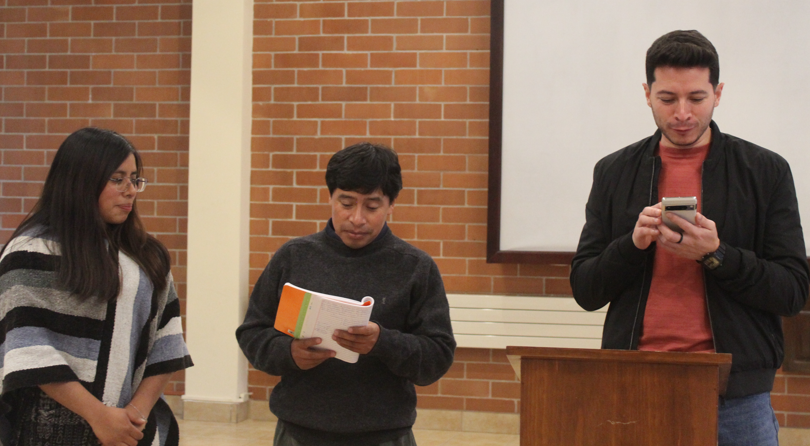
This led naturally into a discussion of environmental concerns. From Guatemala, Veralilia Cuc Rocché talked about Lake Atitlán. She spoke about the loss of the native Poc bird after non-native species were introduced without consulting local communities. This, she explained, shows what happens when outside ideas of “development” ignore locally-held knowledge. For communities, the loss is not only environmental. It also affects identity, culture and connection to the land.
At this gathering, I see a really great power for renewal… We’re creating theology – we’re creating a new way of seeing life, theology, and our own humanity through the divinity and Divine creation,
concluded Veralilia.
Cristian Castro Hidalgo from Costa Rica added:
Ecology is not just a rural issue – it affects life in our cities and food security for all. As Christians, our faith calls us to get involved, to live out the Gospel, and to seek the wellbeing of all people and all creation.
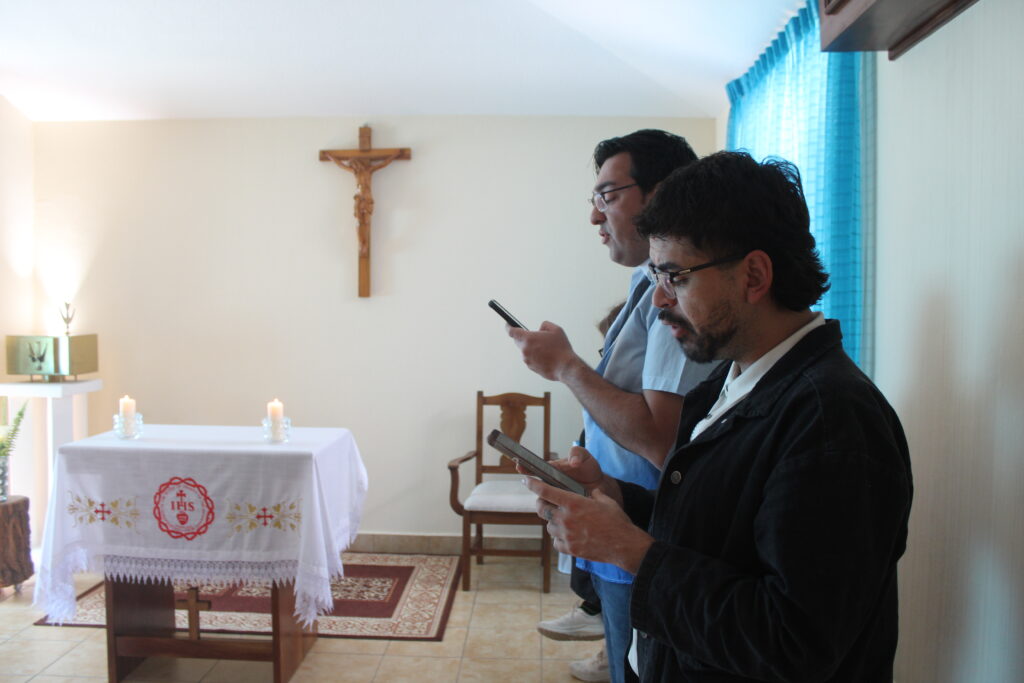
Worship during the gathering reflected these ideas. Participants helped shape prayers together, using local symbols such as seeds and elements of the natural world. For many, this showed that faith is not something imported from elsewhere. It is something that grows within each culture and place.And it also points to a God who sees those that society rejects and restores their dignity.
For the first time, I felt that our culture was not something to leave outside the church door, but something God speaks through,
another participant concluded.
Click here to read the Call to Action signed by the delegates.