Global Scholars Gather in Limuru to Re-Receive the Nicene Creed
What stands out for me is the exciting, creative, and organic theological work happening across the Anglican community.
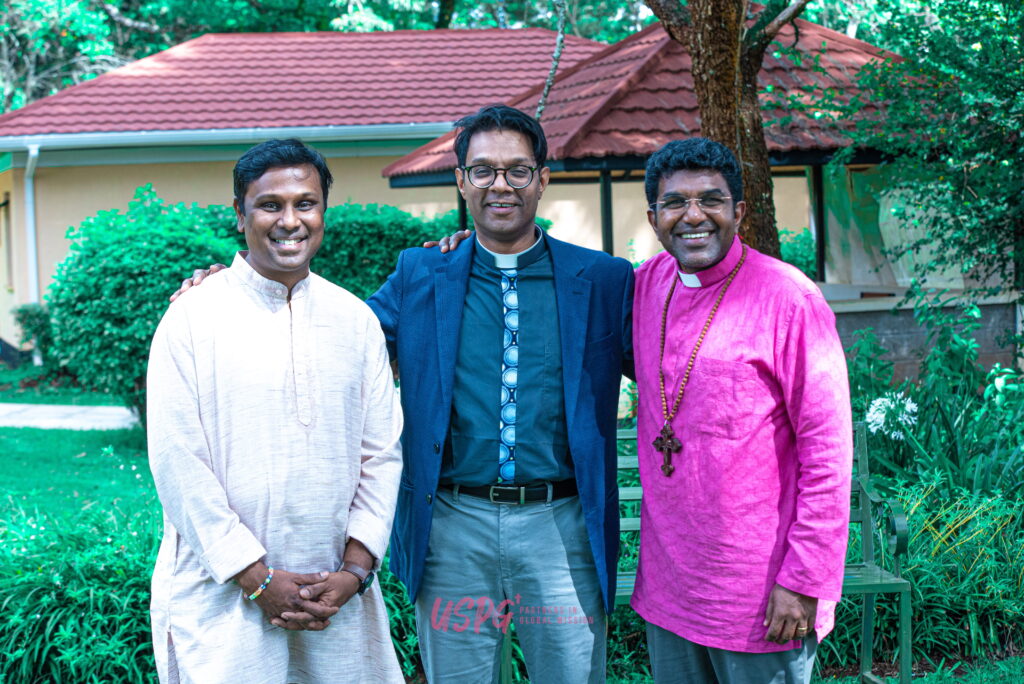
The Rt Revd Dr Anderson Jeremiah, Bishop of Edmonton, Church of England
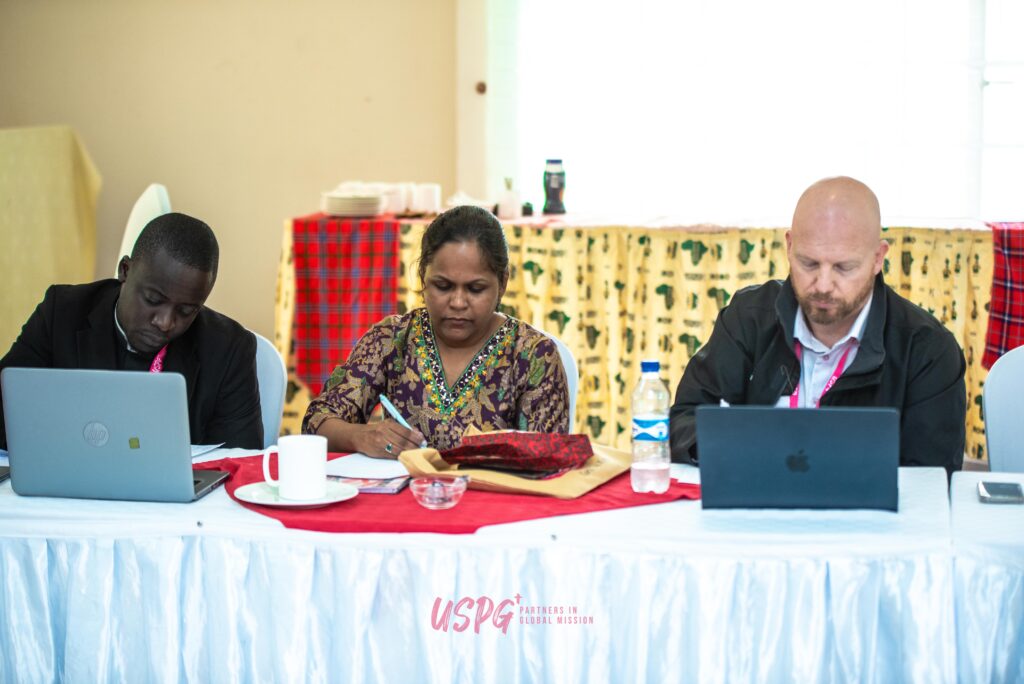
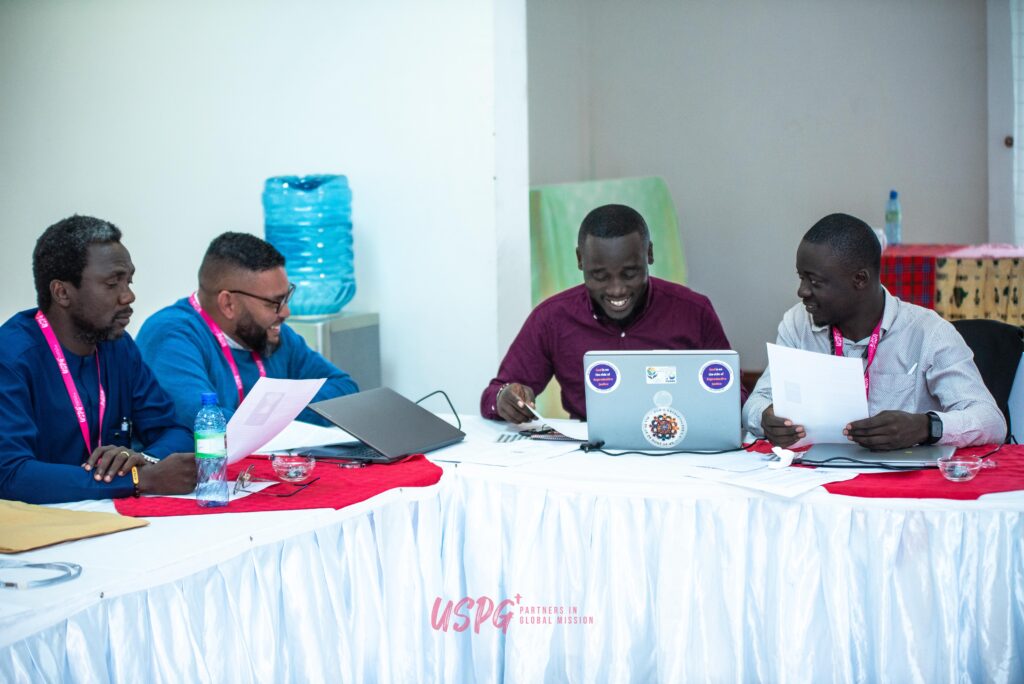
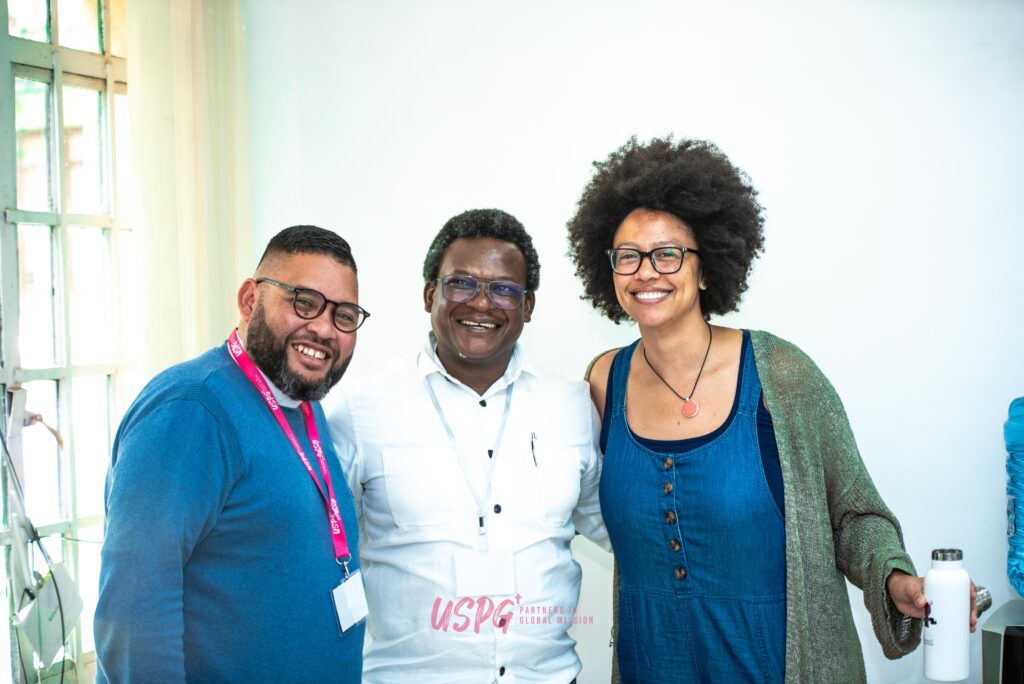
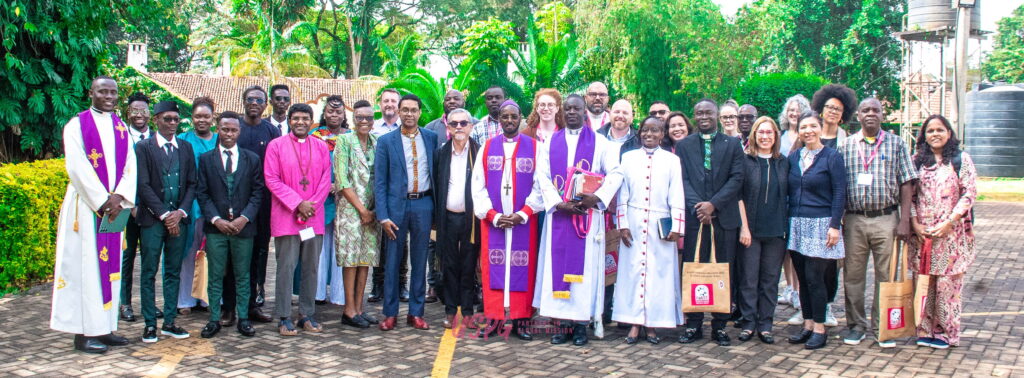
From 15 to 19 December 2025, theologians, church leaders, and students from around the world convened in Limuru for the annual FeAST (Fellowship of Anglican Scholars of Theology) conference, hosted by USPG. Marking the 1700th anniversary of the first ecumenical council of Nicaea, the gathering explored the theme “Re-Receiving the Nicene Creed: Implications for Christian Theology and Witness”.
For those unfamiliar, the Nicene Creed is one of Christianity’s oldest and most widely used statements of faith. Originally formulated at the Council of Nicaea in AD 325 and finalised in Constantinople in AD 381, it outlines core Christian beliefs about God, Jesus Christ, and the Holy Spirit. Recited in churches around the world, it begins:
We believe in one God, the Father Almighty, Maker of heaven and earth, and of all things visible and invisible. And in one Lord Jesus Christ, the only-begotten Son of God, begotten of the Father before all worlds… And in the Holy Spirit, the Lord, the Giver of life…
The Creed affirms the divine and human nature of Christ as one, the Trinity, and the church’s universal mission, serving as a unifying declaration across Christian traditions. Yet, as the Limuru conference highlighted, it is also a text shaped by imbalanced power dynamics involving churches and imperial power, and its interpretation has far-reaching implications for how faith is lived today.
The conference brought together voices from Africa, Aotearoa New Zealand, North America, Asia, Latin America, and Europe, creating a rare space where historical faith engaged contemporary challenges. Discussions explored faith and doctrine, as well as the resulting creed from the Council of Nicaea in AD 325. The group considered its relevance today, considering how a fourth-century statement of belief can inform questions of justice, inclusion, and ecological and political crises. Beyond scholarship, participants emphasised practical outcomes for the church and theological education, calling for teaching that connects doctrine with ethical action: Are students promoting justice, challenging oppression, and caring for the environment?
The Revd Tobias Okoth, a Masters student at African International University in Nairobi, reflects:
The sessions challenged us to bring Christ to people without bias, to minister in ways that respect our context and experiences,
One of the highlights for me was realising that without the crucified Christ, theology can become a system of oppression. Our gospel must serve all people, regardless of background or upbringing.
Merlin, a Masters student at Senate of Serampore College in the Church of South India, shares her highlight:
The best part of this week was hearing voices shaped by their own contexts, passionately bringing their faith into conversation with others. It reminds us that theology is not only academic – it is lived, vibrant, and relational.
Participants were encouraged to interrogate the Creed critically, reflecting on its historical entanglement with imperial power. Scholars explored how its affirmation of unity might inadvertently support exclusion, and how the Creed’s language – shaped in a heavily patriarchal and colonial world – could be reinterpreted for liberation and inclusion.
Meeting women and men from different regions around the world, hearing their stories, and sharing mine – it gave me a new perspective and deepened my fellowship with the global Church,
said Revd Neli Miranda, an ordained minister from Guatemala.
One other highlight of the week was the academic publishing workshops led by our sister organisation SPCK, which gave participants practical guidance on how to share their theological work with a global audience especially in contexts where access to publishing is difficult.
Given that supporting scholars in their publishing journey is a key pillar of the FeAST initiative, participants greatly benefitted from the presence of SPCK’s CEO, Sam Richardson. He led workshops on producing high-impact scholarly articles, transforming dissertations into books, and developing effective publication strategies, all of which proved timely and highly relevant.
The willingness of SPCK to consider publishing the papers presented in the FeAST conference in Kenya, also marks the beginning of a fresh partnership between SPCK and USPG that we hope to build strongly upon.
added The Revd Canon Dr Peniel Rajkumar, Global Theologian and Head of Global Mission, USPG.
If you’re interested in fresh expressions of theology, join the FeAST network here: https://uspg.org.uk/feast/
Coming soon: ReStorying Nicaea – In the Empire but Not of the Empire? – a new free-to-download journal offering fresh, global perspectives on the Nicene Creed.