
A Migrant in Priest’s Robes
When the Covid-19 pandemic hit, Nivia Ivette Núñez de la Paz found herself stuck in Portugal.
She had planned only to visit family, but when the borders closed, she was forced to stay. Originally from Cuba, she was now faced with the challenges of building a new life.
We met on a video call; a setting not too dissimilar from the virtual classrooms that Nivia, a Professor of Theology, got used to throughout the pandemic. “It was precisely because of that moment we were living through globally,” she explains “when everyone was trying to figure out how to live in this completely different daily reality, that I began meeting other migrants.”
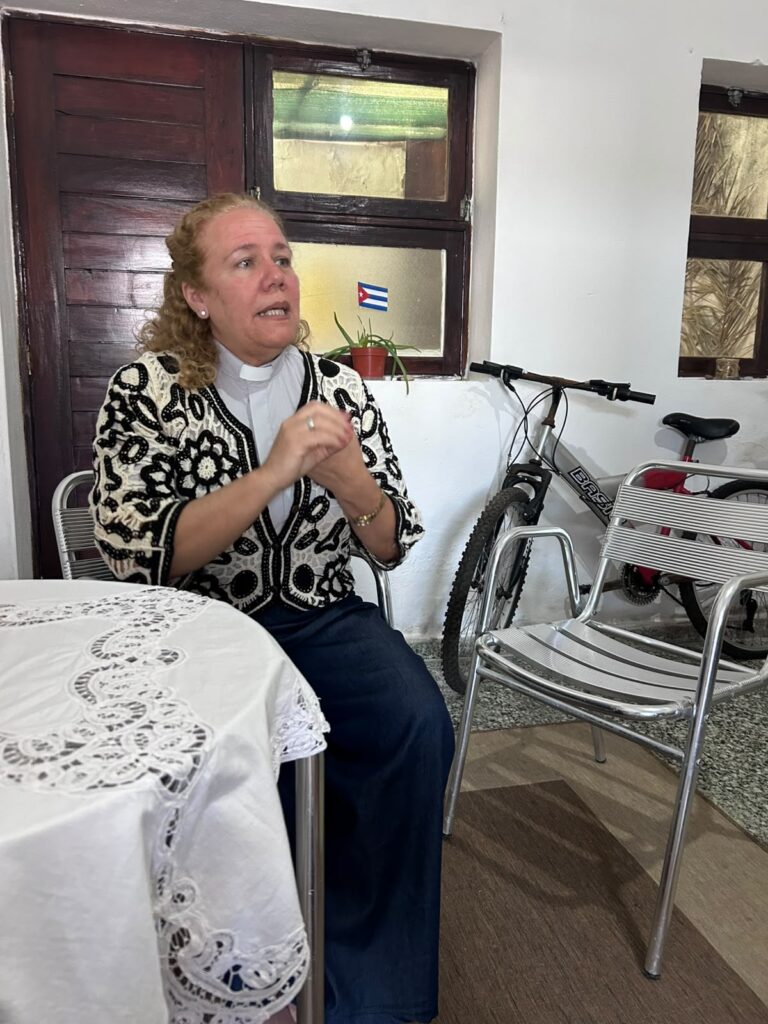
It did not take long for a naturally gregarious Nivia to form an ecumenical group that allowed neighbours to connect together as family. Today, the ethos remains much the same except that what was once an online community now has four walls.
Set in a former post office on the main high street in Praia de Mira, a coastal town about an hour from Porto, is the Maria de Magdala Mission: a centre of welcome for migrants. A committed team, led by Nivia, run a full schedule of activities from Bible studies to language classes.
“Either we got in touch with her, or she got in touch with us, I’m not sure!” joked Rute Serronha, leader of the well-established community outreach ministry for the Lusitanian Church in Portugal, recalling how the partnership began.
It was God who put us on the path of the Maria de Magdala Mission.
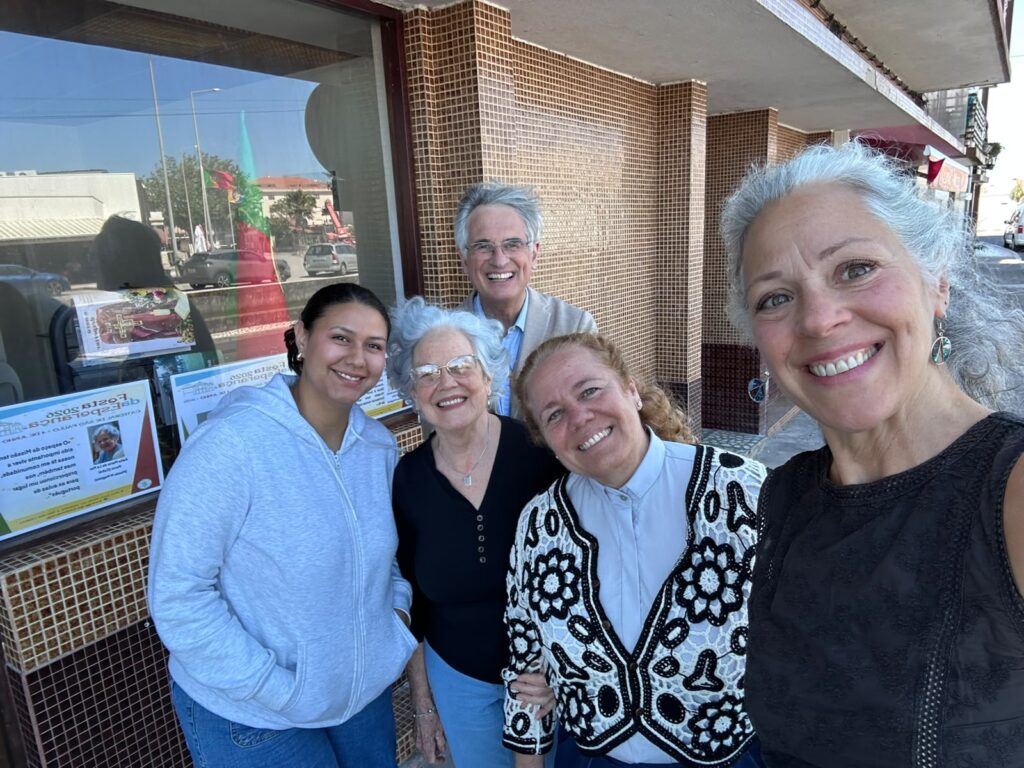
Carol Miller, USPG, with some of the team at the Maria de Magdala Mission.
The centre is open daily for anyone who needs it. And many do. People particularly from Brazil, Angola and Mozambique and other lusophone countries see Portugal as a gateway into Europe. But, as Rute explains,
they think they are entering paradise, and then when they arrive, reality hits. Getting settled is much harder than expected.
The changes to the country’s migration laws haven’t helped. The end of the Manifestação de Interesse scheme – which previously offered a route for many people to regularise their status after arrival – has left some navigating lengthy and uncertain processes before they can fully access work, healthcare, housing and other essentials. This is a significant issue in Praia de Mira as the increased trade over the summer creates an insecure seasonal cycle of employment. Nivia and the team are well aware of these challenges: “Our support often follows this back-and-forth. At times we need to give more support, especially with rent during the winter or booking a health appointment.
Even if that is not forever, in the moment when [they] most need it, we are here.
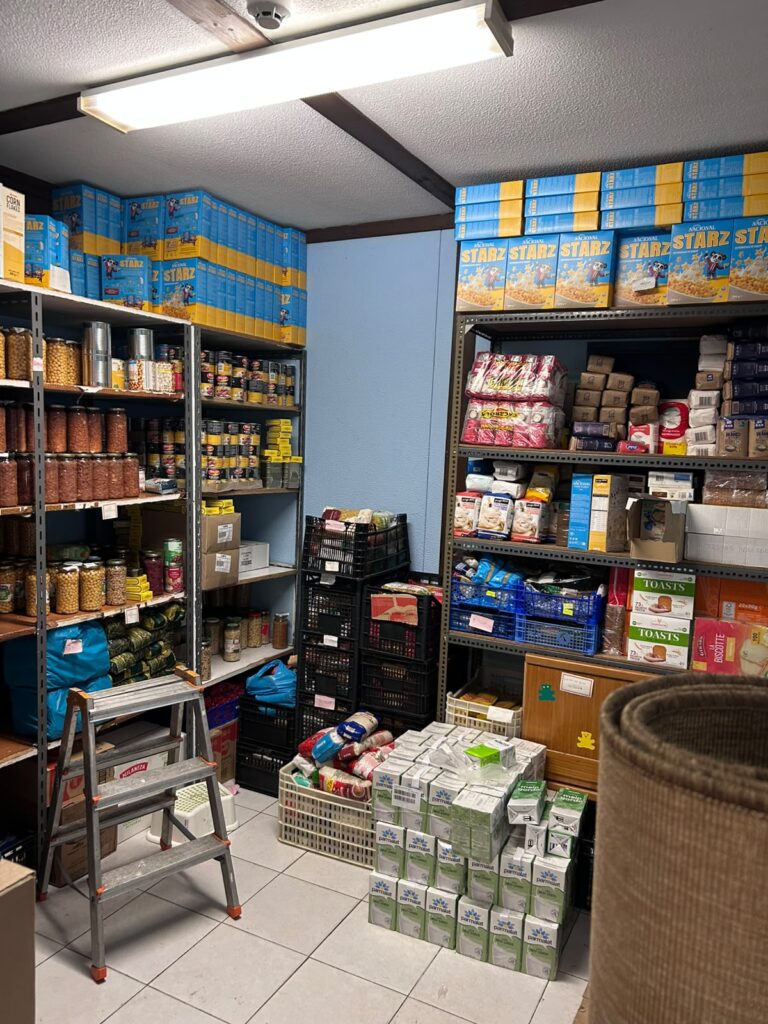
Larger Lusitanian Church hubs in Vila Nova de Gaia, Porto and Lisbon offer services such as food banks, clothing and household goods centres as well as close accompaniment with families. But at the Maria de Magdala Mission, this support takes a distinct form because it’s shaped by the founder, Nivia, who knows first-hand the challenges of moving and settling in a new country.
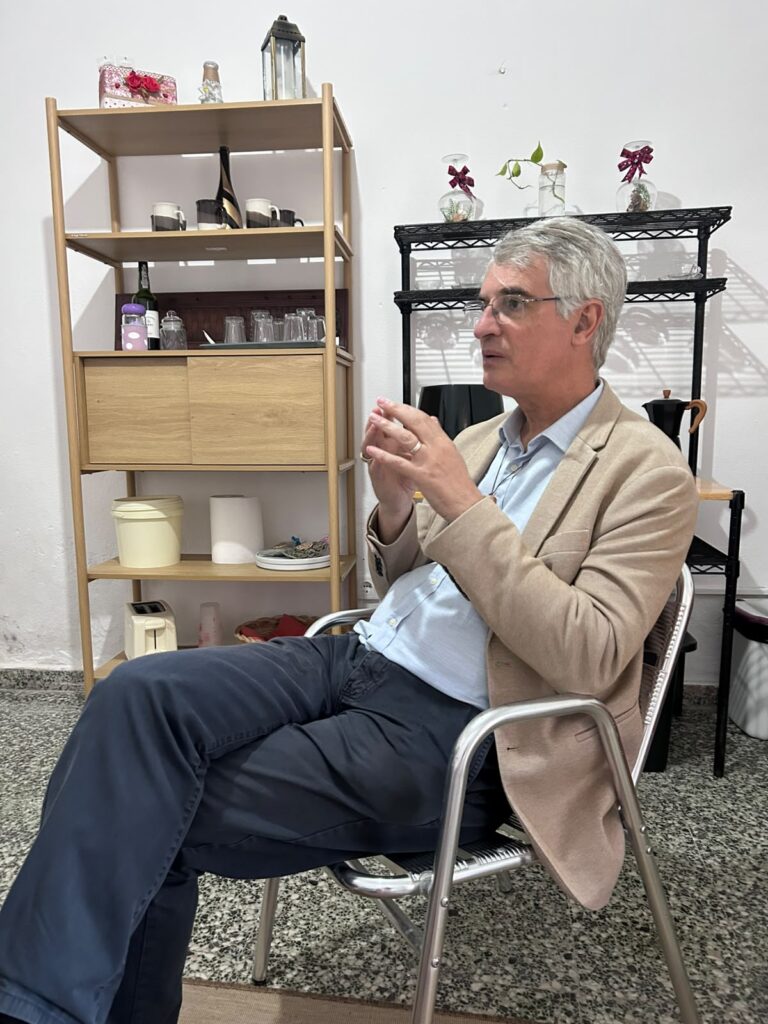
As our conversation came to a close, I asked Rute and Nivia simply: “why do you do what you do?”. The reply came straight back: “As Bishop Jorge often reminds us, everyone has something to offer. You can have your own needs, but you always have something to give as well. And that is what we are trying to build together because it gives dignity.”
For Nivia, this belief is closely tied to her own calling. After years working as a Professor of Theology, she has now been ordained in the Lusitanian Church. “For a long time, I worked at the university and developed a very academic way of speaking about the Bible. The challenge now is to communicate the Gospel in a way that people understand and can connect with.”
As Praia de Mira’s only female migrant priest, Nivia’s own story is a pretty compelling place to start.
USPG’s partnership with the Lusitanian Church forms part of a wider commitment to support migrants and refugees in the Iberian Peninsula, including the Iglesia Espanola Reformada Episcopal in Spain, and across the Diocese in Europe.
By Rachel Weller – Communications Officer
This article was originally published in our Revive Magazine. To order a free copy and read more stories like this, visit: www.uspg.org.uk/resources/